
The Real Deal on Healthy Cooking: How I Learned to Stop Worrying and Love Vegetables
It was 6:23 PM on a Tuesday when Emma looked at her plate of steamed broccoli, wrinkled her nose like she’d smelled a wet dog, and announced with the dramatic flair only a six-year-old can muster: “This looks like tiny trees that died.” Mike, ever the logical engineer, chimed in from behind his laptop, “Nutritionally speaking, cruciferous vegetables are essential for—” “DAD,” Emma interrupted, “they taste like sadness.” That’s when I realized I’d been approaching healthy cooking all wrong. I was so focused on cramming nutrients into every bite that I’d forgotten the most important ingredient: actual flavor.
Here’s the thing about healthy cooking—and I learned this the hard way after serving my family what can only be described as punishment quinoa for three weeks straight—it doesn’t have to taste like you’re being virtuous. The moment I stopped thinking of vegetables as medicine and started treating them like the flavor powerhouses they actually are, everything changed. Emma started asking for seconds. Mike stopped ordering Thai takeout behind my back. Even Buster, our lab mix who normally judges my cooking from a safe distance, started hanging around the kitchen during prep.
The Story Behind My Healthy Food Awakening
My journey into actually delicious healthy cooking started with a spectacular failure. Last spring, I decided to “clean up” our family’s diet after reading approximately seventeen wellness blogs during my 3 AM insomnia scroll. I threw out everything fun, bought $200 worth of superfoods with names I couldn’t pronounce, and proceeded to make the most joyless meals known to humankind. The low point came when I served something I called “Rainbow Buddha Bowl” that looked like a craft project gone wrong and tasted like cardboard with a side of regret.
Chef Bernard, my old culinary school instructor who still texts me cooking tips at random hours, called me up that Friday and said, “I heard through the grapevine that you’re torturing your family with health food.” Apparently, Mike had mentioned our dinner situation to a mutual friend. “Listen,” Chef Bernard continued, “healthy doesn’t mean flavorless. It means respecting the ingredient enough to make it sing.” That Saturday, he walked me through the farmers market, showing me how to pick vegetables like I was selecting wine, explaining why a perfectly ripe tomato doesn’t need much help to be extraordinary.
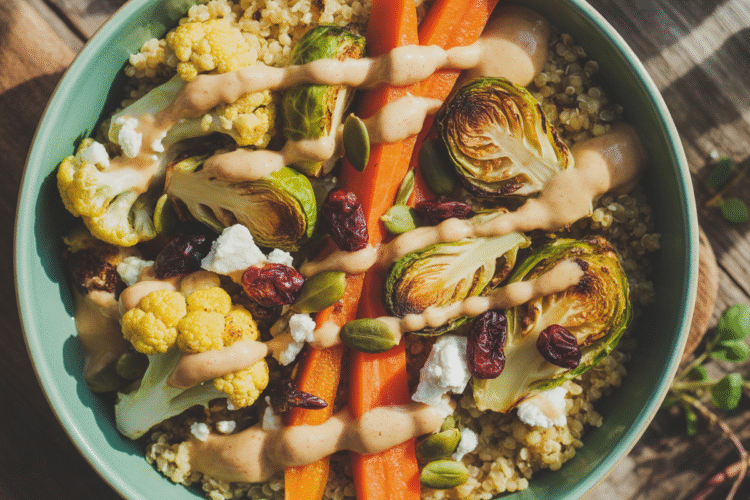
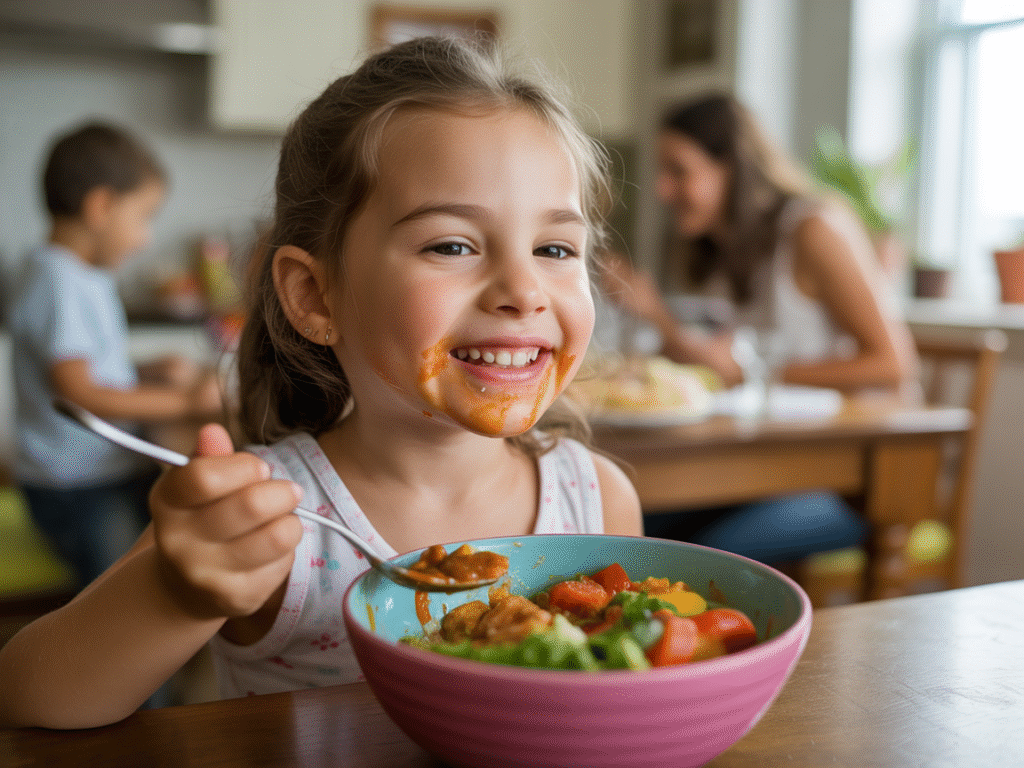
The breakthrough came three weeks later when I made what I now call my “Gateway Green Bowl”—a combination of roasted vegetables so perfectly seasoned that Emma literally licked the plate clean. “Mom,” she said, sauce still on her chin, “this is the good healthy food.” That’s when I knew I’d cracked the code. Health food doesn’t have to be punishment food. It just has to be good food that happens to be good for you.
Ingredient Deep Dive: Quality Over Quantity
The single biggest mistake I see people make with healthy cooking—and trust me, I made it for months—is buying every superfood supplement powder on the internet while ignoring the vegetables slowly dying in their crisper drawer. Here’s what I’ve learned: the most nutrient-dense ingredient in your kitchen is probably a perfectly ripe tomato in August, not that $45 bag of goji berries.
When I shop now, I focus on what Chef Bernard calls “honest ingredients”—things that look like they grew out of the ground, not like they were manufactured in a lab. A head of cauliflower that’s heavy for its size and free of brown spots will give you more nutrition and flavor than any processed “healthy” snack. I’ve started buying vegetables the way I used to buy shoes—I handle them, I smell them (yes, I’m that person sniffing the tomatoes), and I only bring home the ones that make me excited to cook.
The substitution game is where healthy cooking gets fun. You don’t need to replace everything with quinoa (though Emma has grudgingly accepted that “the tiny balls” aren’t actually evil). Cauliflower rice isn’t trying to be rice—it’s trying to be the best version of cauliflower, which means roasting it until the edges get crispy and seasoning it like you actually want to eat it. Zucchini noodles work when you treat them like zucchini, not when you pretend they’re pasta and get disappointed.
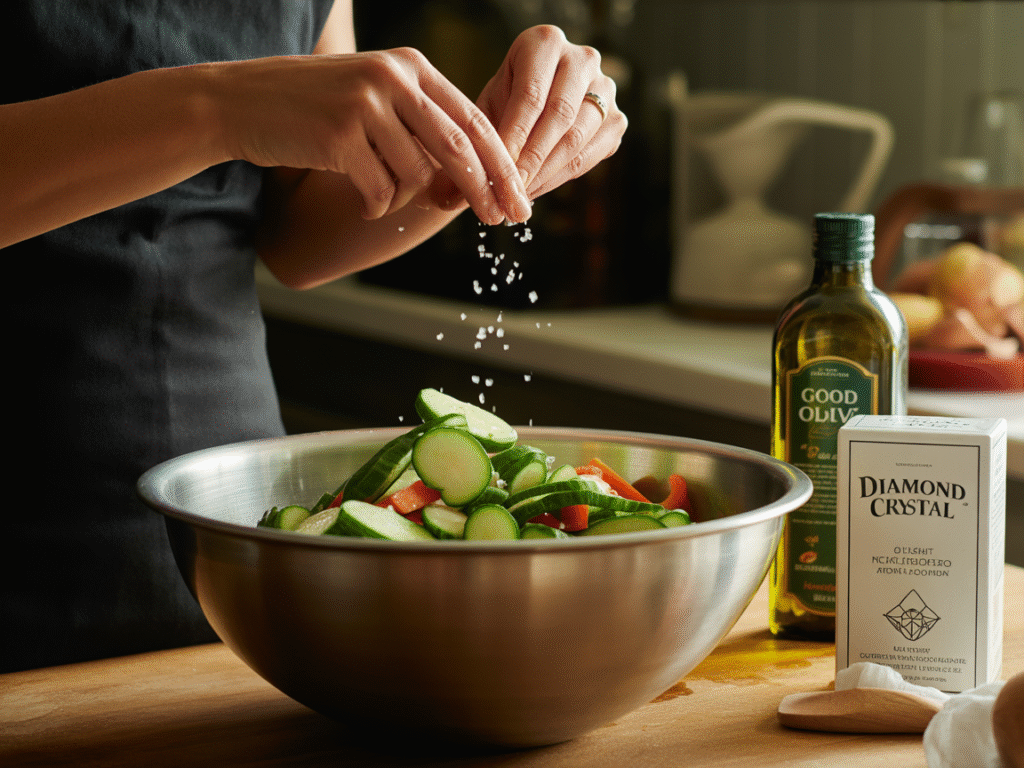
My pantry staples for healthy cooking are surprisingly simple: good olive oil (the kind that makes you cough when you taste it), Diamond Crystal salt (always), fresh citrus, and what I call my “flavor insurance policy”—good mustard, real Parmesan cheese, and a rotation of hot sauces. These aren’t health foods, they’re the supporting cast that makes vegetables taste like something you’d actually choose to eat. Emma’s current obsession is lemon-roasted broccoli with a shower of Parmesan—she calls it “fancy trees” and asks for it by name.
Technique Discussion: Making Vegetables Actually Delicious
The secret to healthy cooking that doesn’t suck is understanding that vegetables want to be caramelized, not steamed into submission. I spent years steaming everything because I thought that was the “healthiest” way to cook, when really I was just leaching flavor and creating textures that would make anyone reach for the pizza menu.
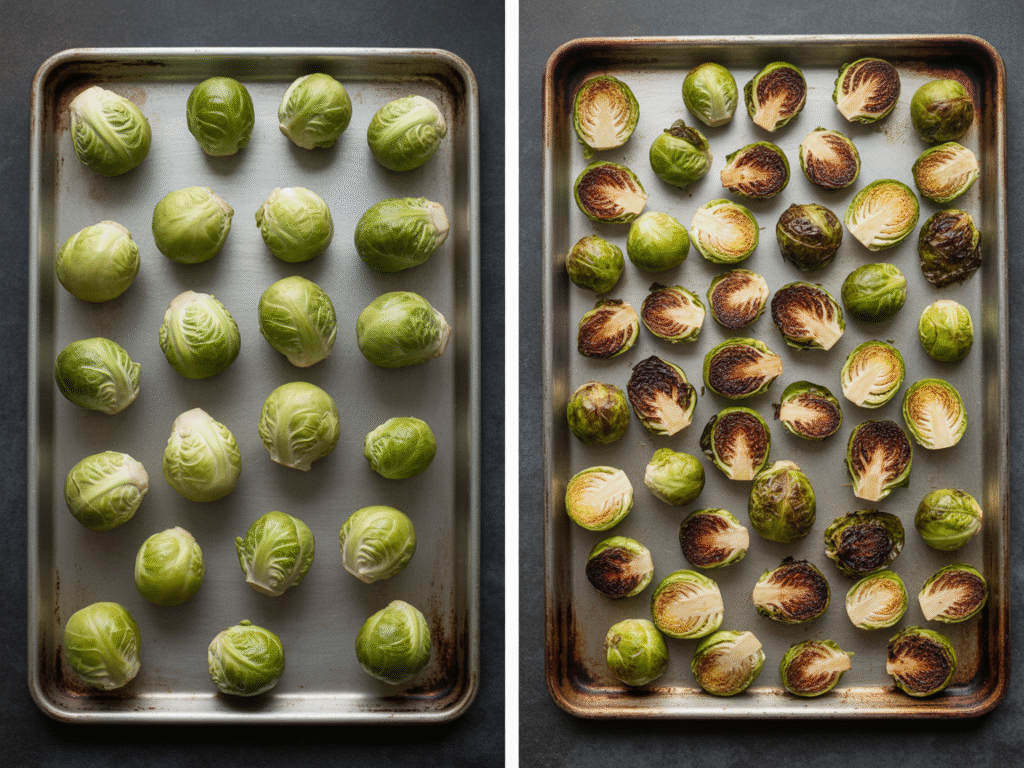
Roasting is your best friend, but here’s what nobody tells you: your oven needs to be hot enough to scare you a little. I’m talking 425°F minimum, 450°F if you’re feeling brave. When I put a sheet pan of Brussels sprouts into a properly preheated oven, it should hiss when the vegetables hit the metal. That sound means caramelization is happening, which means flavor is being created. Emma went from Brussels sprouts refuser to Brussels sprouts enthusiast the day I learned to roast them until the outer leaves got crispy and started to char.
The other game-changer is understanding salt timing. I used to add salt at the end, like a guilty afterthought, because I thought that was healthier. Chef Bernard taught me that salting vegetables before roasting draws out moisture, which concentrates flavor and helps with browning. Now I toss my vegetables with olive oil and salt, let them sit for ten minutes while the oven preheats, then roast them until they’re golden brown and slightly crispy. The result tastes intentional, not like health food masquerading as real food.
Layering flavors is where healthy cooking goes from basic to restaurant-quality. I start with aromatics—garlic, onions, ginger—and build from there. A simple stir-fry becomes magical when you add the garlic at the right moment (after the vegetables are almost done, so it doesn’t burn), finish with a splash of good soy sauce and a squeeze of lime, and hit it with something crunchy like toasted sesame seeds or chopped peanuts. Emma calls this technique “making the good smells,” which is actually a pretty accurate description of what we’re doing.
Don’t be afraid to use fat—good fat, used intentionally. A drizzle of really good olive oil or a sprinkle of toasted nuts or seeds adds richness and helps your body absorb fat-soluble vitamins. Mike, who tracks everything, was amazed to learn that the small amount of fat actually makes the vegetables more nutritious, not less. It’s permission to make food taste good while still being good for you.
The Gateway Green Bowl
Prep time: 20 minutes | Cook time: 25 minutes | Total time: 45 minutes | Serves 4
Ingredients
For the roasted vegetables:
- 1 medium head cauliflower, cut into bite-sized florets
- 1 pound Brussels sprouts, halved
- 2 large carrots, sliced on the diagonal
- 3 tablespoons olive oil
- 1 teaspoon Diamond Crystal salt
- 1/2 teaspoon freshly ground black pepper
For the quinoa base:
- 1 cup quinoa, rinsed
- 2 cups low-sodium chicken or vegetable broth
- 1/2 teaspoon salt
For the tahini dressing:
- 1/4 cup tahini
- 2 tablespoons fresh lemon juice
- 1 clove garlic, minced
- 2-3 tablespoons warm water
- 1/2 teaspoon honey
- Pinch of salt
For serving:
- 1/4 cup toasted pumpkin seeds
- 1/4 cup dried cranberries
- 1/4 cup crumbled feta cheese
- Fresh herbs (parsley, cilantro, or dill)
Instructions
- Get that oven screaming hot. Preheat to 425°F and position two racks in the upper and lower thirds.
- Prep your vegetables like you mean it. Toss cauliflower, Brussels sprouts, and carrots with olive oil, salt, and pepper in a large bowl. Let them sit for 10 minutes—this isn’t wasted time, it’s flavor development time.
- Roast with purpose. Spread vegetables on two sheet pans (don’t overcrowd or they’ll steam). Roast for 20-25 minutes, switching pan positions halfway through, until edges are golden brown and Brussels sprouts leaves are crispy.
- Meanwhile, cook quinoa like rice. Bring broth and salt to a boil, add quinoa, reduce heat to low, cover, and cook for 15 minutes. Let stand 5 minutes, then fluff with a fork.
- Make the magic sauce. Whisk tahini, lemon juice, garlic, honey, and salt. Add warm water gradually until you reach a drizzling consistency. Taste and adjust—it should be tangy and rich.
- Assembly is half the fun. Divide quinoa among bowls, top with roasted vegetables, drizzle with tahini dressing, and sprinkle with pumpkin seeds, cranberries, feta, and herbs.
Variations and Emma-Approved Modifications
The beauty of this bowl is that it’s basically a template for using whatever vegetables are good right now. In summer, I swap zucchini and bell peppers for the Brussels sprouts. Fall brings butternut squash and sweet potatoes. Winter calls for roasted beets and sturdy greens like kale (massaged with a little lemon juice first—yes, massaging kale is a real thing and yes, it works).
Emma’s current request is “the one with the orange stuff,” which translates to roasted sweet potato with a sprinkle of cinnamon. Mike prefers the protein-heavy version with grilled chicken or hard-boiled eggs. For our vegetarian friends, I add chickpeas to the roasting pan for the last 10 minutes—they get crispy on the outside and creamy inside.
The dressing is endlessly adaptable too. Swap tahini for almond butter, lemon juice for lime, honey for maple syrup. Last week I made a Green Goddess version with avocado, herbs, and Greek yogurt that Emma declared “restaurant fancy.” The key is keeping that balance of fat, acid, and something slightly sweet.
For meal prep warriors, everything except the avocado-based dressings keeps well for up to four days. I often roast a double batch of vegetables on Sunday and use them throughout the week—on salads, in grain bowls, or straight from the fridge with a fork because I have no shame.
Serving Suggestions and Real-Life Applications
This bowl works for pretty much every occasion I can think of. For dinner parties, I set up a “build your own bowl” station and let people customize their toppings—it’s interactive, accommodates different dietary needs, and looks impressive without being stressful. For busy weeknight dinners, I serve it family-style in the middle of the table with warmed pita bread for scooping.
It’s also excellent hangover food, according to Mike, though he’d never admit that in polite company. The combination of complex carbs, healthy fats, and vegetables apparently works magic on a wine-headache. Emma likes it for lunch with extra feta cheese and calls it “my fancy salad.”
The leftovers transform beautifully too. Cold roasted vegetables on toast with a smear of goat cheese makes an excellent breakfast. Tossed with pasta and a little pasta water, it becomes a weeknight dinner. Blended with broth, the roasted vegetables make an incredibly flavorful soup that Emma will actually eat without negotiation.
Finding Your Own Gateway
Here’s what I wish someone had told me at the beginning of my healthy cooking journey: you don’t have to overhaul your entire relationship with food overnight. Start with one vegetable you think you might like, roast it properly, season it generously, and see what happens. Emma’s vegetable evolution started with roasted carrots that got so caramelized they tasted like candy. Now she’ll try almost anything if I promise to “make it the crispy way.”
The goal isn’t perfection—it’s building a repertoire of healthy foods that you actually want to eat. Some nights we still order pizza. Some weeks the vegetables in my crisper drawer don’t make it to the cutting board before they expire. The difference is that now I have options that don’t feel like punishment. When Emma asks for “the good healthy food,” I know exactly what she means, and more importantly, I know how to make it.
Your version might look completely different from mine, and that’s exactly how it should be. Maybe your gateway is perfectly roasted chicken with herbs, or a soup that makes your kitchen smell like your grandmother’s house, or a salad that’s so good you forget it’s supposed to be virtuous. The point is finding healthy foods that make you excited to be in the kitchen, not ones that make you count down the days until you can eat “real food” again.
Show me your gateway healthy recipe—tag me @recipel_ and tell me what made it click for you. I’m always collecting stories about the moment people realize that healthy food doesn’t have to be a punishment. Bonus points if it involves a six-year-old’s brutally honest food review. Emma’s critiques are comedy gold, but they’re also usually right.
